

Tips, guides and the culture of Regional Mexican music.
Karma Blogs

Cómo cuidar tu guitarra en invierno: frío, calefacción y humedad
En invierno la madera de la guitarra pierde humedad y se contrae: los trastes empiezan a raspar en los costados del brazo, la altura de las cuerdas cambia, se desafina más y en casos graves la tapa se agrieta. Para protegerla, guárdala en su estuche, lejos de calentadores y ventanas, mantén la humedad entre 45 y 55% y, si viene del frío, déjala adaptarse dentro del estuche antes de abrirlo.
Read moreabout Cómo cuidar tu guitarra en invierno: frío, calefacción y humedad
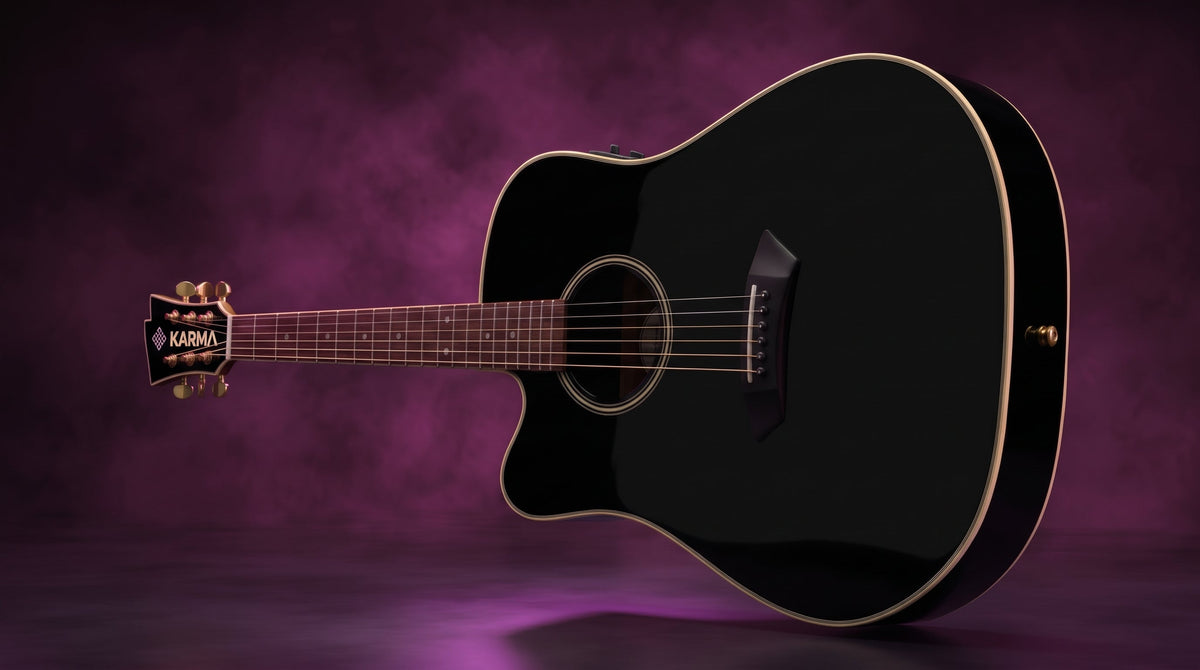
Guitarras para zurdos: ¿voltear una diestra o comprar una zurda de verdad?
Una guitarra para diestros se puede adaptar para zurdos, pero casi nunca queda bien: hay que cambiar la cejuela, el puente queda al revés y la guitarra pierde afinación en las notas altas, el corte del cuerpo queda del lado equivocado y los controles quedan mal ubicados. Si eres zurdo, lo mejor es una guitarra fabricada para zurdos.
Read moreabout Guitarras para zurdos: ¿voltear una diestra o comprar una zurda de verdad?

La mejor docerola para empezar: cómo elegir sin tirar tu dinero
La mejor docerola para empezar es una que venga en cuerdas pares, que se mantenga afinada y que no necesite reparaciones al poco tiempo. Si es tu primera y vas a practicar en casa, la Alpha 12 ($4,999) es suficiente. Si ya te presentas en vivo, conviene la Spirit 12 ($6,999), que trae el puente y el brazo reforzados de fábrica.
Read moreabout La mejor docerola para empezar: cómo elegir sin tirar tu dinero

¿Docerola, bajo quinto o guitarra de 6? Qué hace cada una en el sierreño y el norteño
En el sierreño, la docerola (12 cuerdas en pares) toca el requinto: los adornos y las melodías. La guitarra de 6 cuerdas toca la armonía: el ritmo y los acordes. En el norteño, el bajo quinto (10 cuerdas) lleva el ritmo y los bajos junto al acordeón. Si vas a acompañar y cantar, empieza con una guitarra de 6; si quieres tocar el requinto, elige una docerola.
Read moreabout ¿Docerola, bajo quinto o guitarra de 6? Qué hace cada una en el sierreño y el norteño

Bajo quinto: qué es, cómo se afina y cómo elegir uno bueno
El bajo quinto es un instrumento mexicano de la familia de la guitarra, con 10 cuerdas organizadas en 5 pares. Se afina La, Re, Sol, Do y Fa. En la música norteña lleva el ritmo y los bajos junto al acordeón. Para elegir uno bueno, revisa que la tapa sea de madera sólida, que el brazo esté recto, que se pueda conectar y que incluya estuche.
Read moreabout Bajo quinto: qué es, cómo se afina y cómo elegir uno bueno

Qué regalarle a un músico de regional mexicano esta Navidad (por presupuesto)
Para alguien que toca regional mexicano, los regalos que realmente se usan son: cuerdas para su docerola o su bajo quinto (menos de $700), una tapa que evita los chillidos al conectar la guitarra o una playera (menos de $400), un estuche rígido (menos de $3,000) o una guitarra nueva: desde $3,999 una guitarra Alpha de 6 cuerdas y desde $4,999 una docerola Alpha 12.
Read moreabout Qué regalarle a un músico de regional mexicano esta Navidad (por presupuesto)
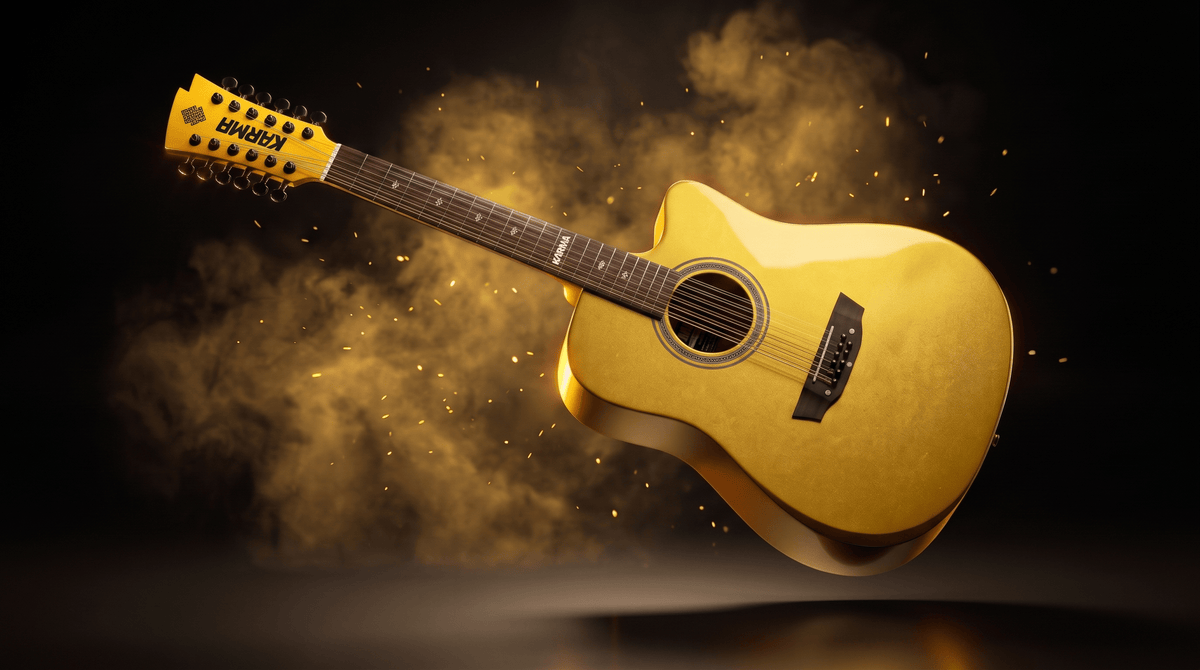
Black Friday 2026: 7 cosas que revisar antes de comprar tu docerola en oferta
Antes de comprar una docerola en Black Friday conviene revisar siete puntos: que el descuento sea real (que se muestre el precio anterior), que venga en cuerdas pares, que tenga el puente reforzado, de qué madera es la tapa, que se pueda conectar, cuánto dura la garantía y cómo funcionan el envío y las devoluciones. En Karma, el Black Friday 2026 va del 19 de noviembre al 2 de diciembre.
Read moreabout Black Friday 2026: 7 cosas que revisar antes de comprar tu docerola en oferta

Are laminated tops worth it? The truth about laminated and solid tops.
It's not as simple as "laminated = sh*t". Solid tops vibrate more freely, project more, and mature with age; laminated tops project a little less but withstand bumps and climate changes better, ideal for rough use. For recording or for the guitar to 'breathe', look for solid; for your first 12-string or for everyday use, a good laminated one will do the trick, BE CAREFUL not to be fooled, there are laminated guitars and then there are laminated guitars.
Read moreabout Are laminated tops worth it? The truth about laminated and solid tops.
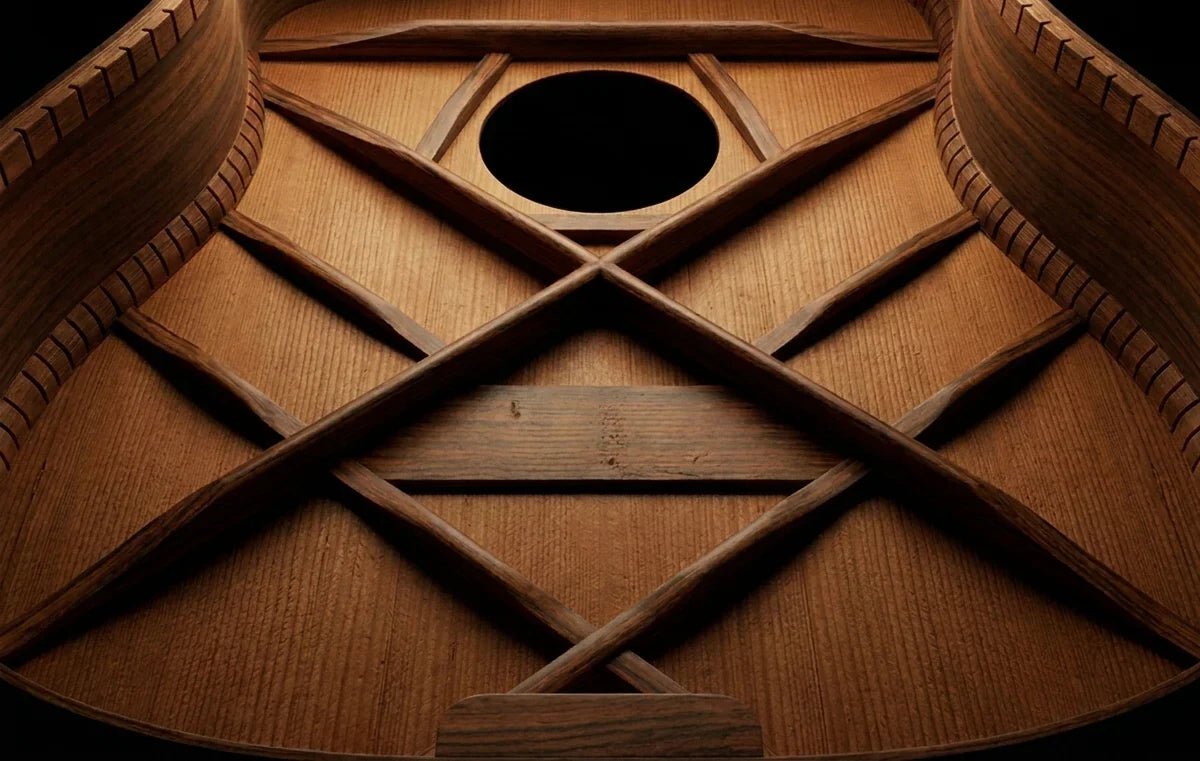
Is the top of your docearola arching or is the bridge lifting?
The top arches up ("gets a little belly") and the bridge lifts because the 12 strings pull with enormous force, and over the years, a poorly reinforced top will yield. This is prevented with well-designed bracing, a reinforced bridge, and a factory-installed Bridge Doctor, in addition to maintaining stable humidity.
Read moreabout Is the top of your docearola arching or is the bridge lifting?
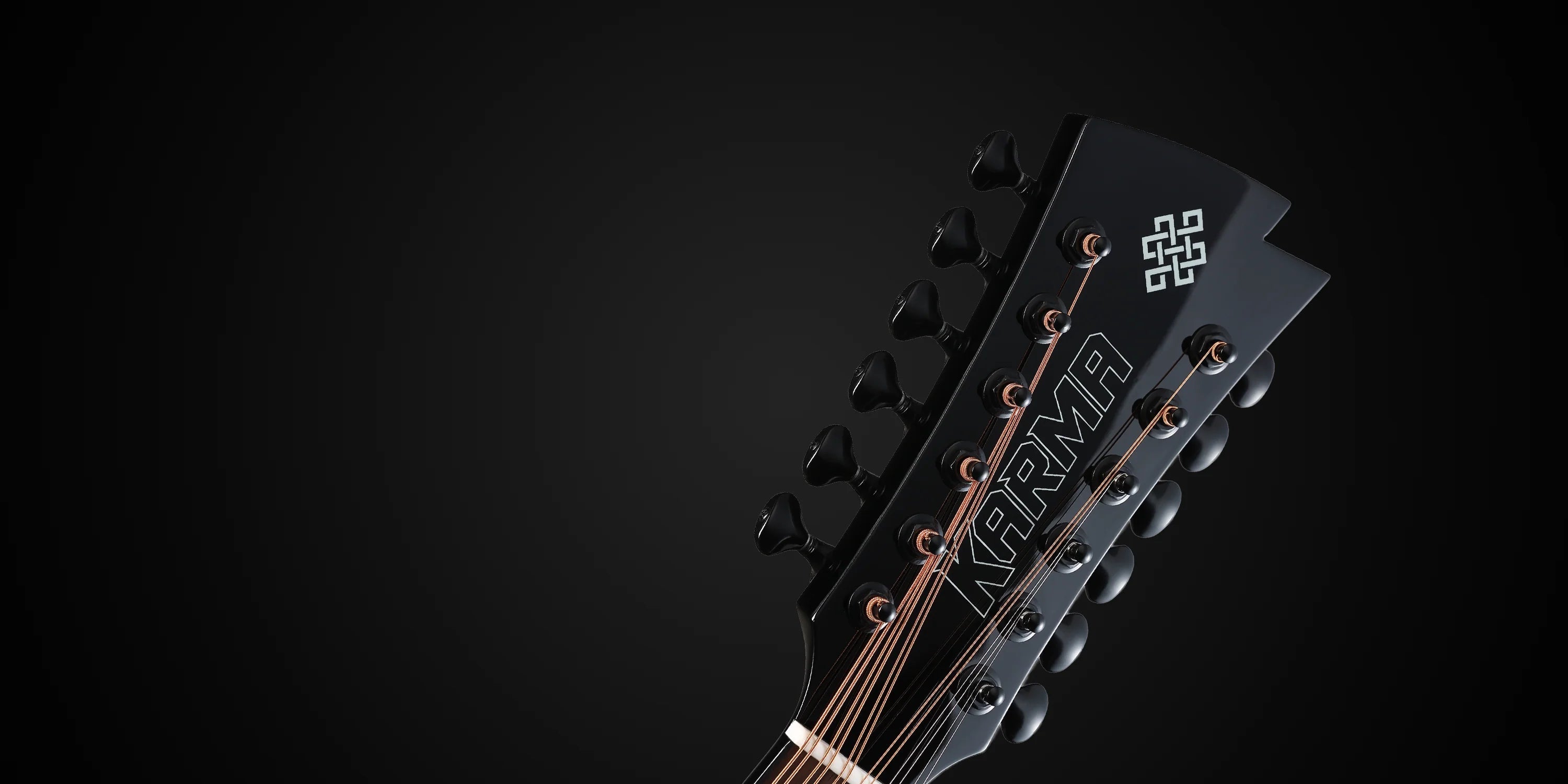
Why does your 12-string guitar go out of tune?
A twelve-string guitar goes out of tune mainly due to the enormous tension of its 12 strings, new strings that haven't settled yet, changes in climate, and a poorly cut nut. This can be controlled by always tuning 'upwards', stretching new strings, maintaining stable humidity (45–55%), and using a guitar with an adjustable truss rod and a nut cut for paired strings.
Read moreabout Why does your 12-string guitar go out of tune?

How to string your 12-string guitar without it becoming a nightmare
To string your twelve-string guitar without trouble: change a few strings at a time (never all 12 at once) so as not to suddenly release all the tension from the top; respect the position of each pair as they were originally; wind evenly and downwards on each tuning peg; stretch each new string by hand and retune several times until it settles. Always use the correct gauge (pair strings 10-47) to avoid straining the neck.
Read moreabout How to string your 12-string guitar without it becoming a nightmare

How to Change the Strings on Your 6-String Guitar: LA ARMONÍA
To change your 6-string armonia strings: do it when they look dull or sound dead. Remove and replace them one by one (or a few at a time) to avoid suddenly releasing the tension, winding evenly and downwards on each tuning peg, leaving a little slack, cutting off the excess, and stretching each new string by retuning two or three times. The tuning is standard (E-A-D-G-B-E), so it's easier than with a 12-string guitar.
Read moreabout How to Change the Strings on Your 6-String Guitar: LA ARMONÍA
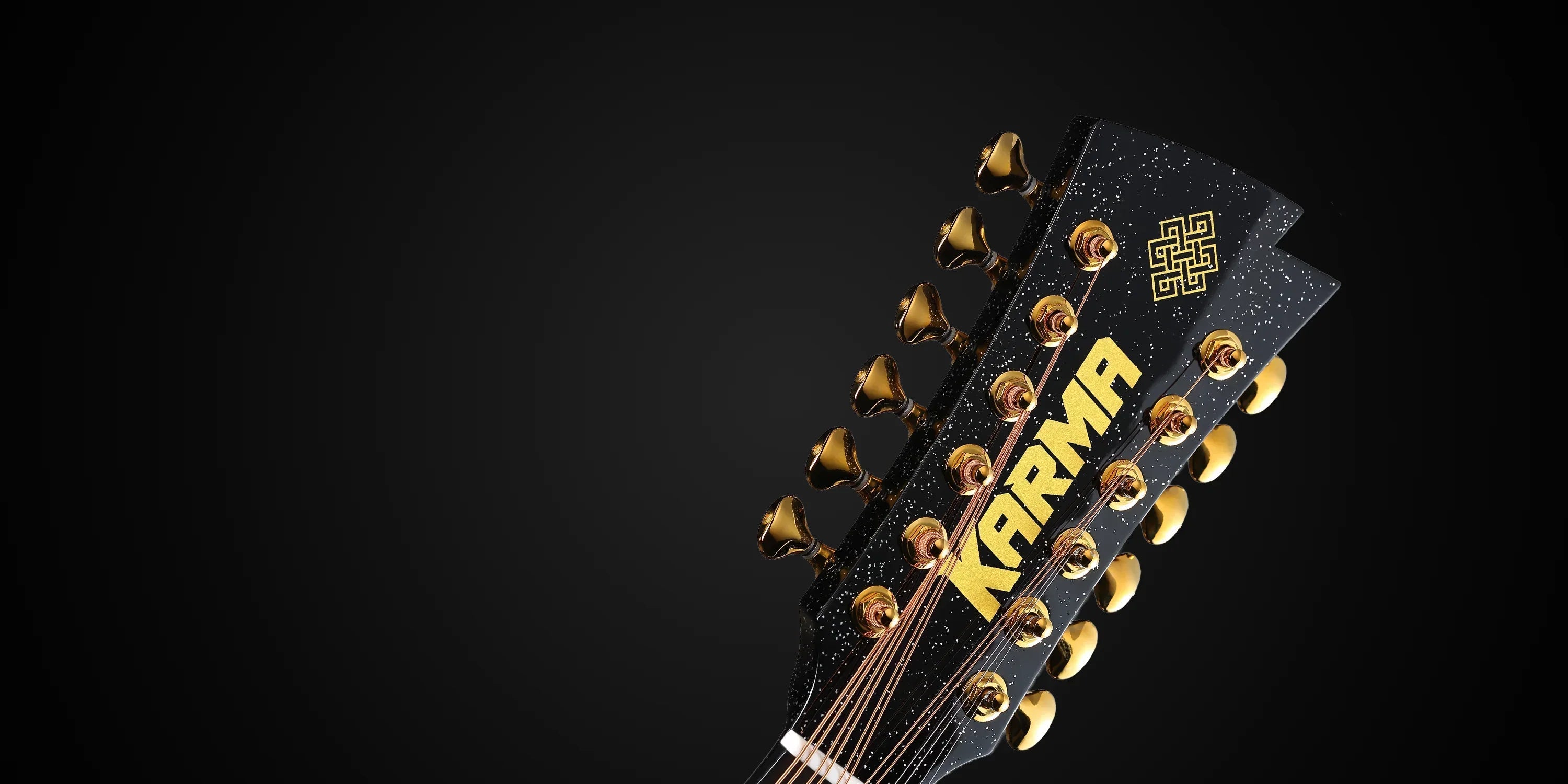
How to Tune Your Docerola in Pairs of Strings, Step by Step.
To tune your docerola: use a tuner (clip-on or app), tune string pairs and always tune up to the note, not down. The six notes are those of a standard guitar (E-A-D-G-B-E; they appear as E-A-D-G-B-E on the tuner), but in pairs of strings: on a KARMA, the two strings of each pair are tuned in unison (the same note). First tune one string of the pair, then its partner, and check that they sound identical.
Read moreabout How to Tune Your Docerola in Pairs of Strings, Step by Step.
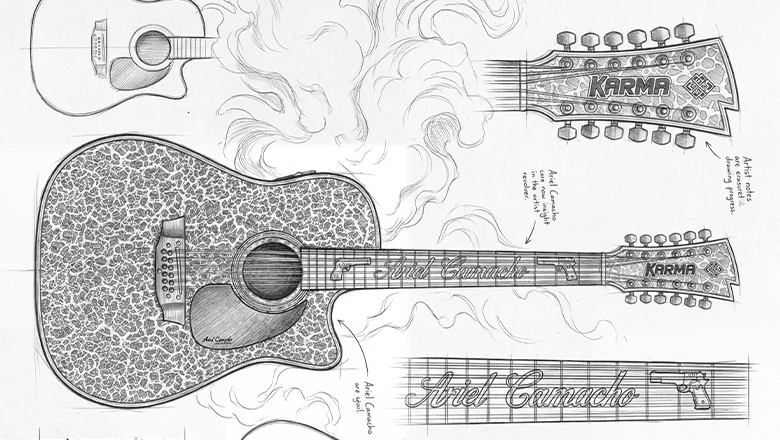
Ariel Camacho Special Edition Guitar
Today, we proudly announce the official collaboration between Karma Guitars and the family of Ariel Camacho, a tribute created with respect and authenticity based on a special edition 12-string guitar to celebrate his story and his impact on sierreño music.
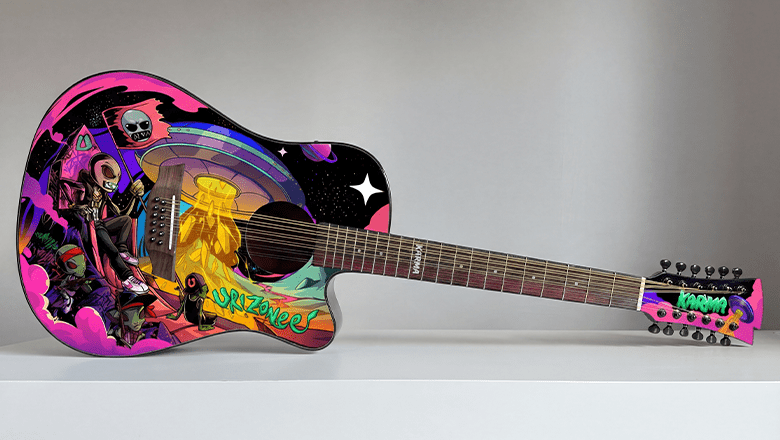
The new Karma “X” line, scheduled for release in mid-2026, debuts with its first flagship model: the special edition Urizonee.
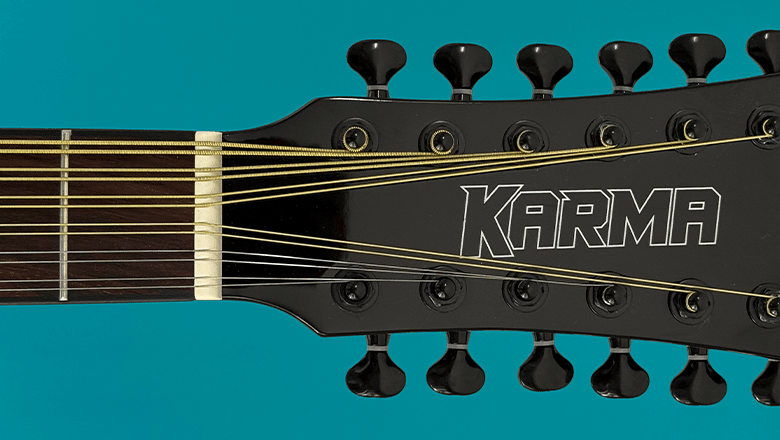
Octave-Paired Strings vs Unison-Paired Strings in Mexican Style
In the classic 12-string guitar setup, the lower-pitched string pairs (the first four: E, A, D, and G) combine one string tuned to its natural note with another an octave higher.
Read moreabout Octave-Paired Strings vs Unison-Paired Strings in Mexican Style

Ariel Camacho is still "The King"
10 years since the passing of the "King of Hearts." His music remains a refuge for many, and his influence endures in every chord and every lyric.

Join the Karma Movement
Be the first to hear about exclusive offers, tips and much more.